Discover the of Indian Spices

Embark on a sensory journey through the heart of India’s spice lands. From the misty hills of Kerala to the vibrant markets of Rajasthan, we bring you the purest, most authentic spices. Experience the rich tapestry of flavors that have shaped cultures and traditions for centuries. Let the aroma transport you.

As the morning light seeps through the wooden shutters of my homestay in Alleppey, the air is already thick with scent. Not just the humid, salty breeze from the backwaters, but something deeper, richer. It wafts from the kitchen: warm cardamom, earthy turmeric, and a sharp tingle of black pepper. That was the day I learned spice is not just taste — it’s memory, medicine, and culture.

In Alleppey, spices aren’t bought in jars—they’re made, ground by hand, passed from grandmother to granddaughter like heirlooms. And I, a curious traveler from halfway across the world, was invited into this sacred ritual by Amma, my host’s mother.

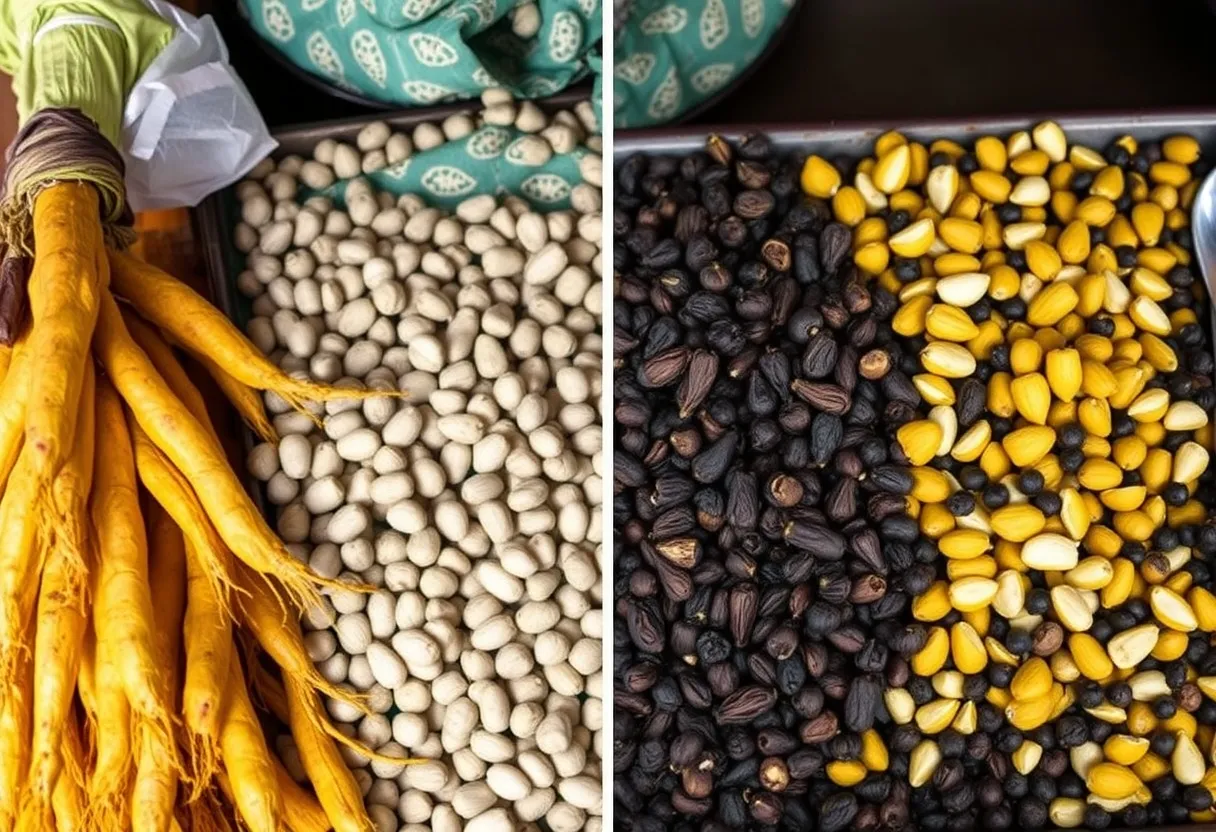
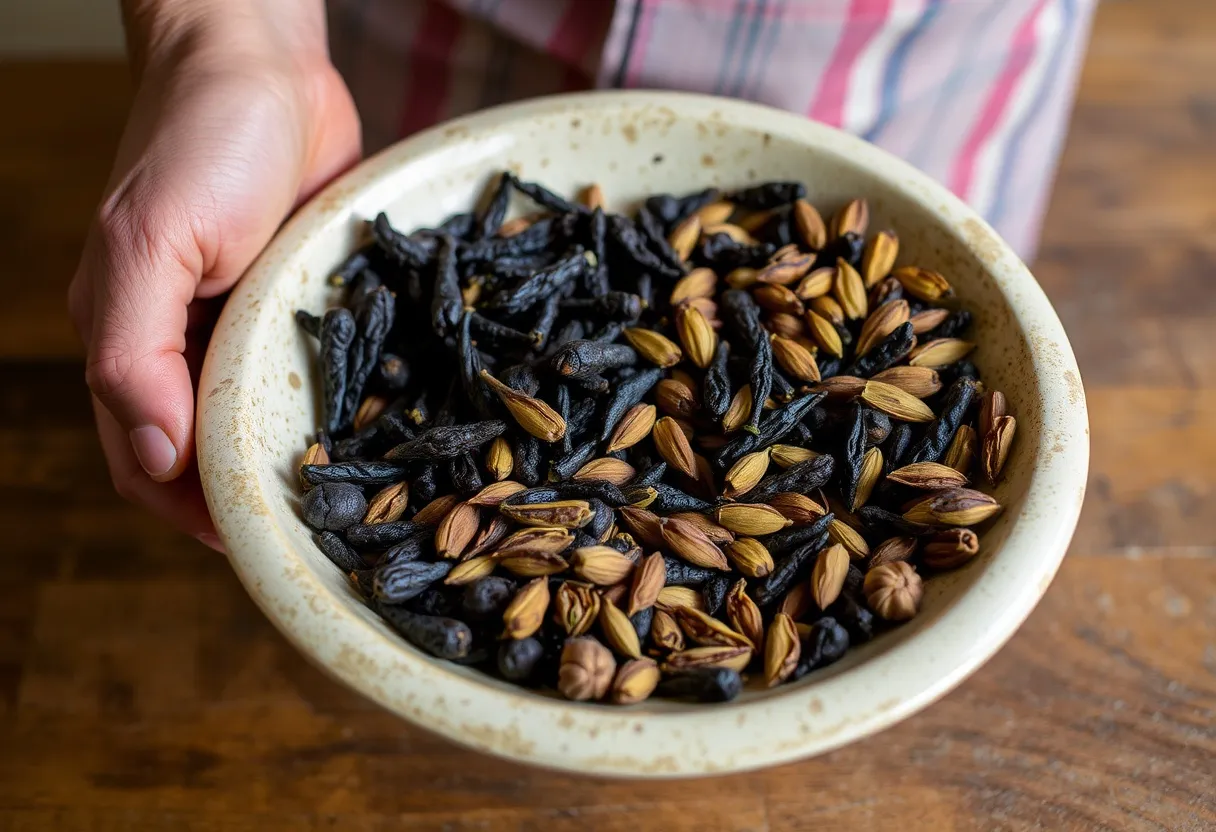
The process began not in the kitchen, but at the local market. I trailed behind Amma like a wide-eyed child as she expertly chose sun-dried turmeric fingers, glossy cardamom pods, and black pepper as dark and fragrant as the soil it grew from. Each spice was touched, smelled, and debated before she decided to buy. She informed me that the best turmeric is found in Wayanad, and the best cardamom in the high ranges of Idukki.

Back home, the preparation began with patience. Everything had to be sorted, sun-dried (again!), and roasted ever so slightly to draw out their oils. The black pepper snapped and crackled in the hot pan; the cardamom gave off a perfume that was unique.

I was handed a piece of turmeric and shown how to hold it against the stone grinder—a flat, heavy slab called the ammi kalu. I pushed it forward and back, slowly turning it into a golden paste. It stained my fingers, my nails, even my soul, I think. Amma laughed and said, “Now you look like one of us.”

That moment hit me. Back home, I bought my turmeric pre-ground, sealed in plastic, on recommendations from my Indian friends. Here, I was part of the story.

Next came cardamom. The pods were gently cracked open to reveal black seeds, which we ground into powder. This powder—warm, floral, and just a bit sweet—smelled nothing like the store-bought version I used back in London. I tasted it on my finger and was instantly reminded of every Indian dessert I’d ever loved.

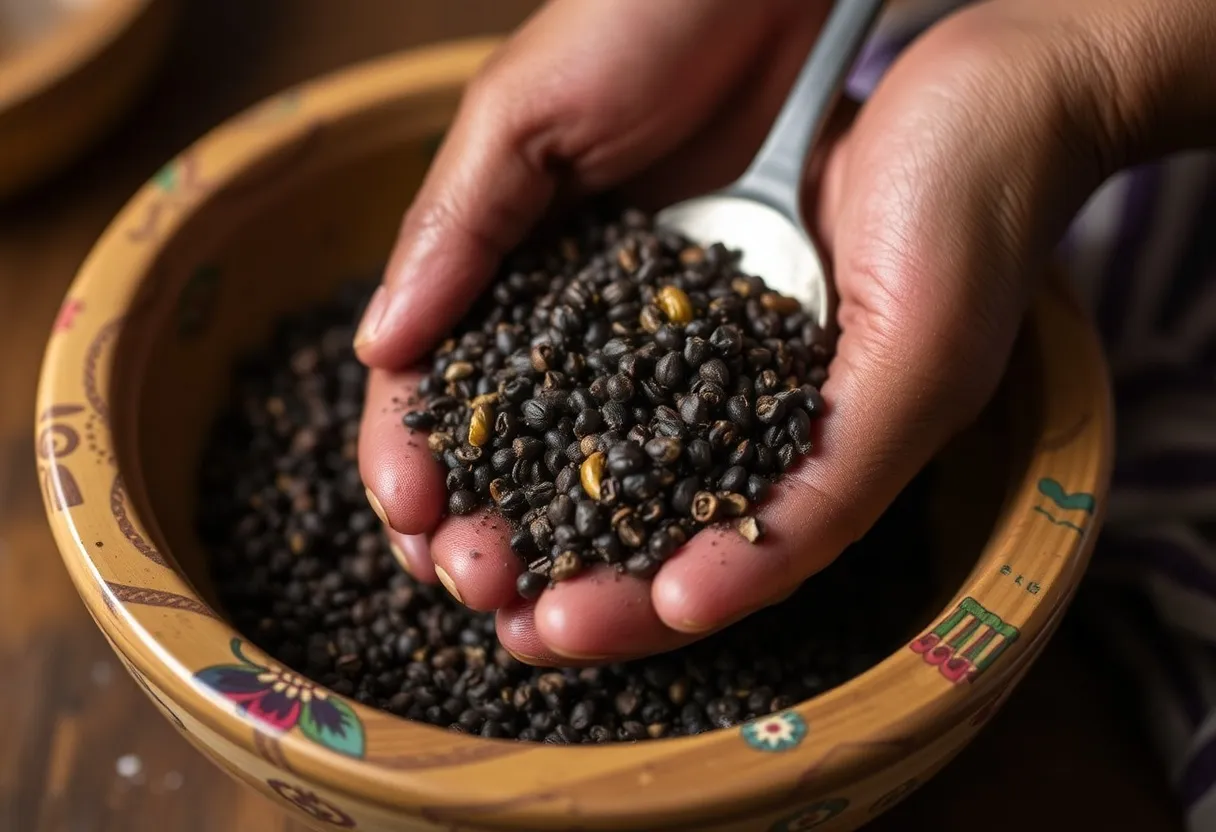
Then, the fire. Black pepper. This wasn’t a topping—it was the core of a masala. We ground it coarsely, and my eyes watered as the aroma hit me. Amma smiled knowingly and said, “Now your body is waking up.”

Finally, we combined everything—turmeric, cardamom, pepper, some roasted cumin and coriander—for a basic garam masala. It wasn’t exact. No measuring cups. Just intuition and years of memory in Amma’s hands. When she was satisfied, she stored it in a glass jar sealed with cloth and string. “Use it within a month,” she said. “Fresh spices speak louder.”

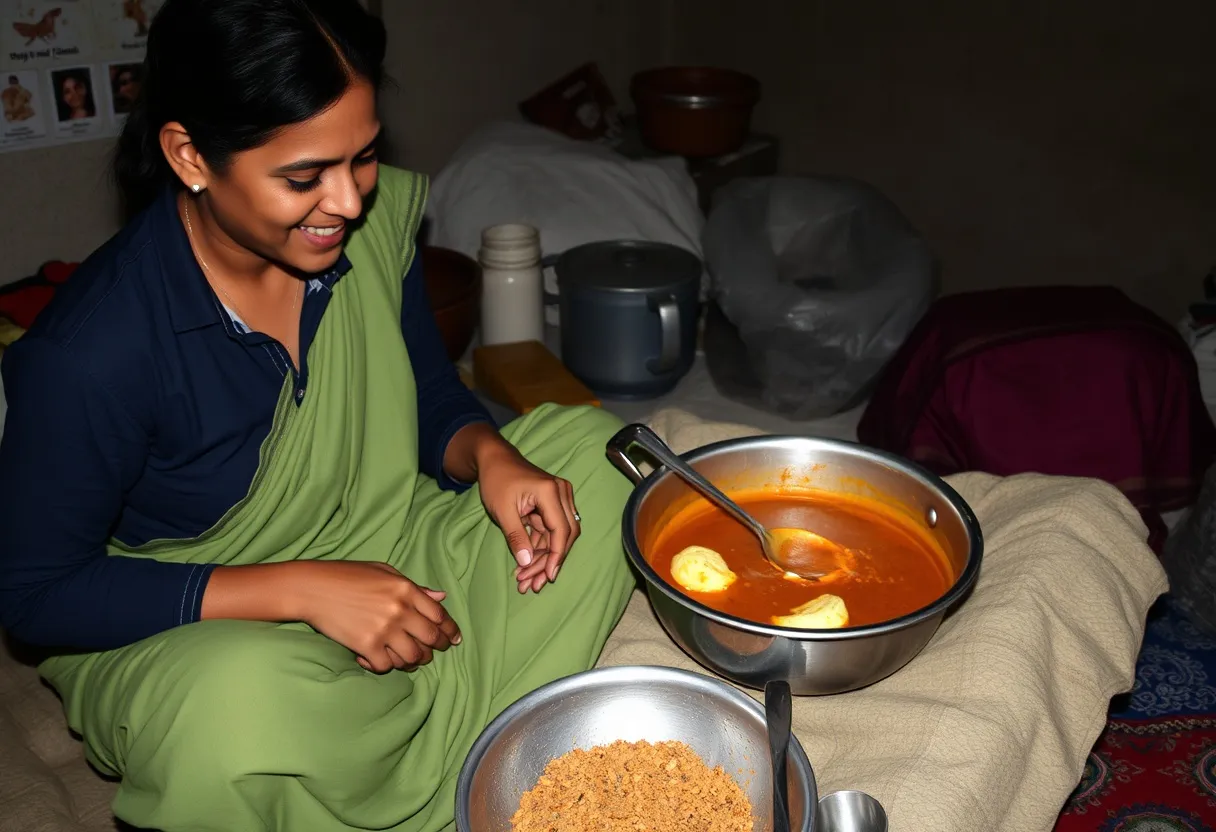
That night, she cooked a curry using our masala. I could taste each element—the smoky cumin, the sweet heat of pepper, the depth of turmeric. But more than that, I tasted connection. To this place, to the people, to a way of life that honors time, nature, and care.

If you ever find yourself in Alleppey, don’t just take the backwater tour or walk the beach. Ask for a masala grinding lesson. Grind your own turmeric. Stain your hands yellow. Inhale pepper deep enough to cry. Because in doing so, you’ll carry a piece of this land back with you, not in your suitcase, but in your senses.

And once you’ve done that, store-bought spices will never taste the same again.

Explore Our Blogs

Dive into our latest posts about Alleppey.

Welcome to Akoya Beach Villa

Beachfront Bliss in Kerala

Discover Akoya Beach Villa, Alleppey