The gateway to the soul of Kerala
Discover the of Kerala Immerse yourself in the vibrant culture of Alleppey, where music and
Hi, I’m Daniel, a documentary photographer from the Netherlands. Honestly, nothing had prepared me for the thunder of hundreds of oars slapping the backwaters in perfect unison. What had begun as a short trip to Alleppey to capture the famed Nehru Trophy Boat Race soon turned into a deep dive—quite literally—into the lives of the men who row the legendary chundan vallams, or snake boats.
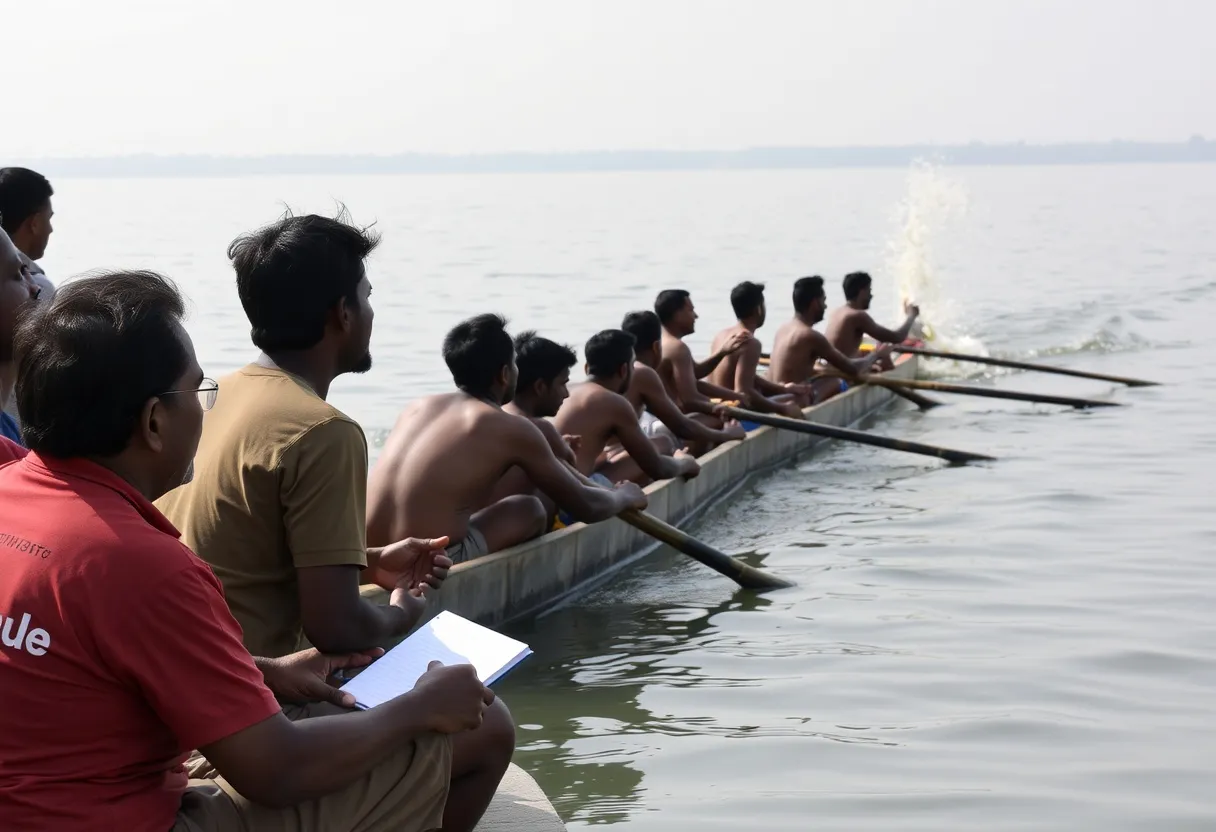
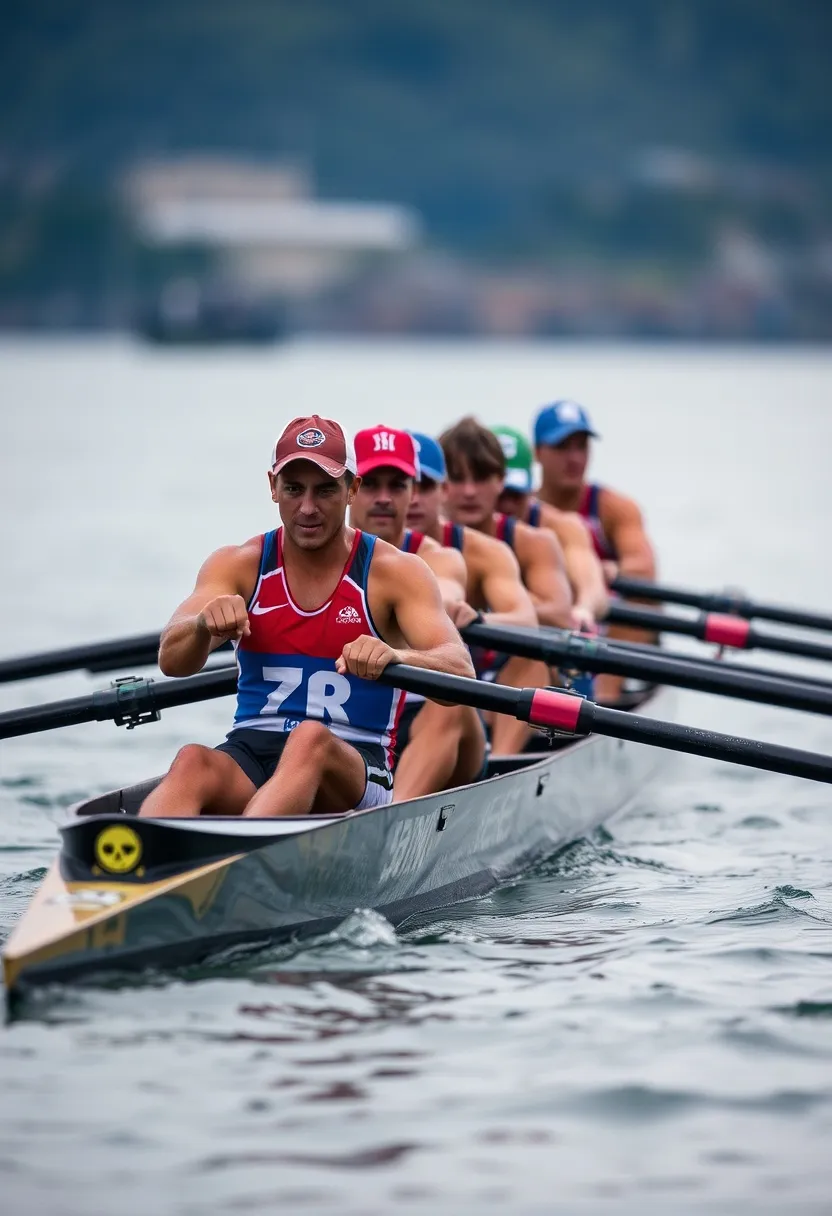
It started with an invitation from a boat club elder who had noticed my persistentence with the lens and my curious questions about snake boat races that I had heard so much about from my friends who had visited Kerala. Soon I was headed there on a long flight and after two-day period of resting to get over my jet-lag, I was standing under the shade of a coconut palm at the edge of the water, observing barefoot oarsmen gathering for training. Some were wiry teenagers, others broad-chested men with sun-worn skin and sinewy arms. There were over a hundred of them—one boat, one heartbeat.
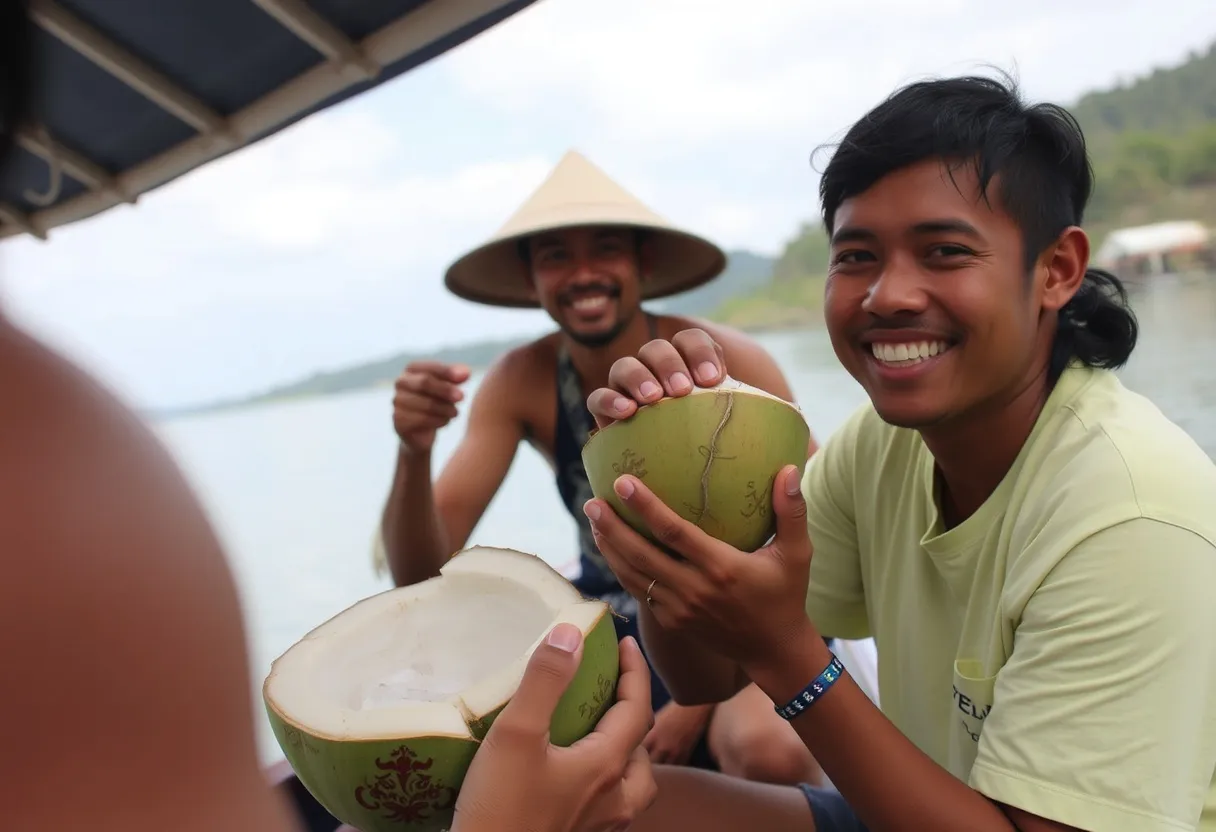
One of the oarsmen brought me a coconut shell filled with fresh coconut water, which I drank happily. He then gestured toward the long, narrow vessel that lay anchored near the bank. The chundan or snake bot shimmered in the early sun, its body rubbed with fish oil for smooth passage, its high stern carved like a warship imagined only in myths and legends of yore.
As I sat on the sidelines, notebook in hand, a deep rhythmic chant erupted from the boat. “Vanchi paattu!” the coach shouted, and the men roared back in unison. The vanchi pattu, I found out was more than just a chant. It was a war cry, a prayer, a binding spell. Each syllable timed to the beat of the oars, syncing breath, body, and will. The cadence wrapped around me like a trance, hypnotic and raw.
Later, I was invited to join a warm-up paddle. Perched near the middle, clutching an oar twice the size of any I’d ever seen, I struggled to keep rhythm. Every mistake rippled down the boat. But the rowers laughed with me, not at me. “No worry,” one said, patting his back. “By race day, you dance with us.”
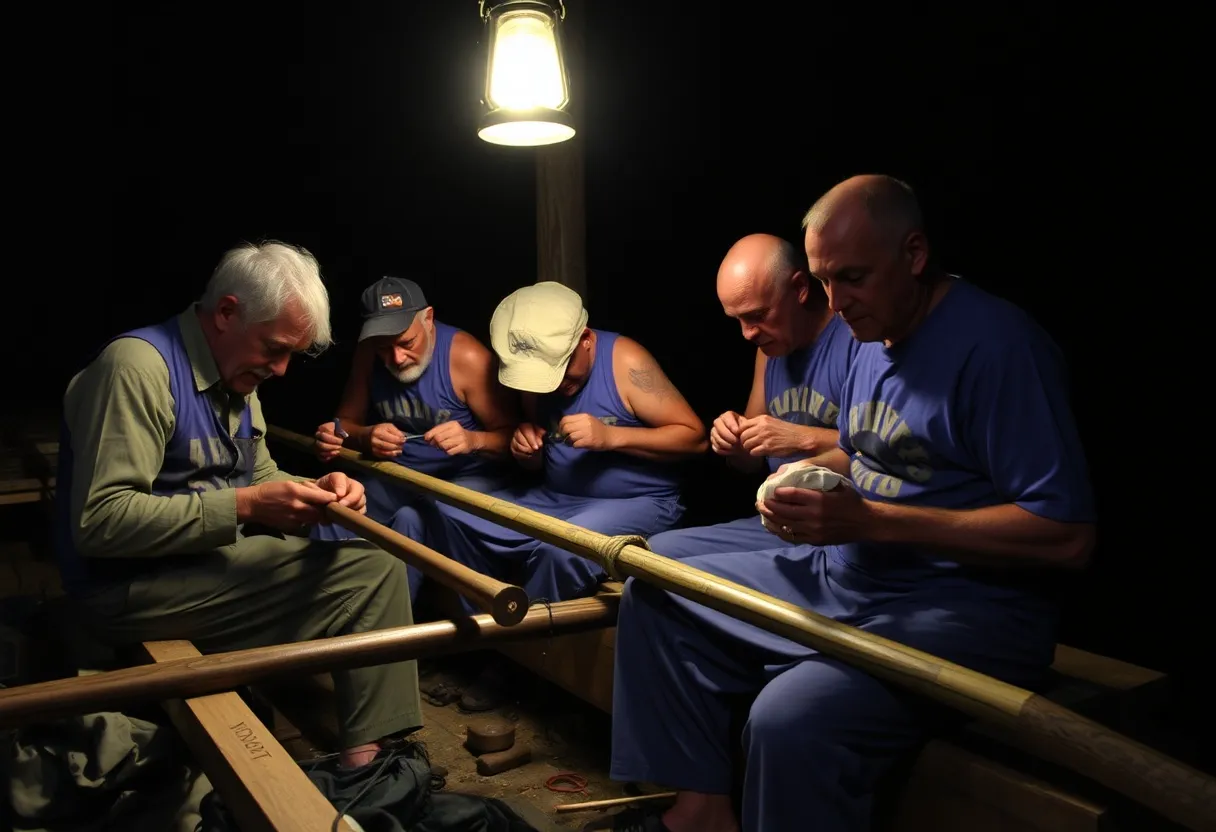
Evenings were for repairs and song. The men repaired oars and stitched uniforms under lantern light. Elders told stories of past glories, of races won by fractions of seconds, of rivalries that went back generations. One man told me, “The boat is not just wood. It’s our temple.”
Over the weeks, I had slowly changed the focus of my documentary. It became less about the race and more about the spirit behind it. The camaraderie. The sweat and sacrifice. The unspoken understanding that no single oarman wins a race—but together, they can move water, time, even destiny.
On race day, when the drums thundered and crowds roared from the banks, I stood apart, on the bank. But I wasn’t just a foreigner with a camera anymore. I was a silent part of the rhythm—my lens an oar, my story a chant, my heart, deeply in love with this unique Keralite tradition.

Discover the of Kerala Immerse yourself in the vibrant culture of Alleppey, where music and

Discover : The Queen of the Arabian Sea Explore the vibrant city of Kochi, where

Discover the age-old farming techniques of Kerala, where farmers work in harmony with the backwaters,
Beachfront Bliss in Kerala
Discover Akoya Beach Villa, Alleppey