Welcome to our

Your journey begins in a sun-dappled courtyard. You walk in…your curiosity knowing no bounds, and are welcomed with a jasmine garland and the warmest of smiles. The aroma of woodsmoke, ripe mangoes, and freshly grated coconut wafts in the air. Here, time slows down, and learning speeds up, as you are about to find out.

A Glimpse of Local Life

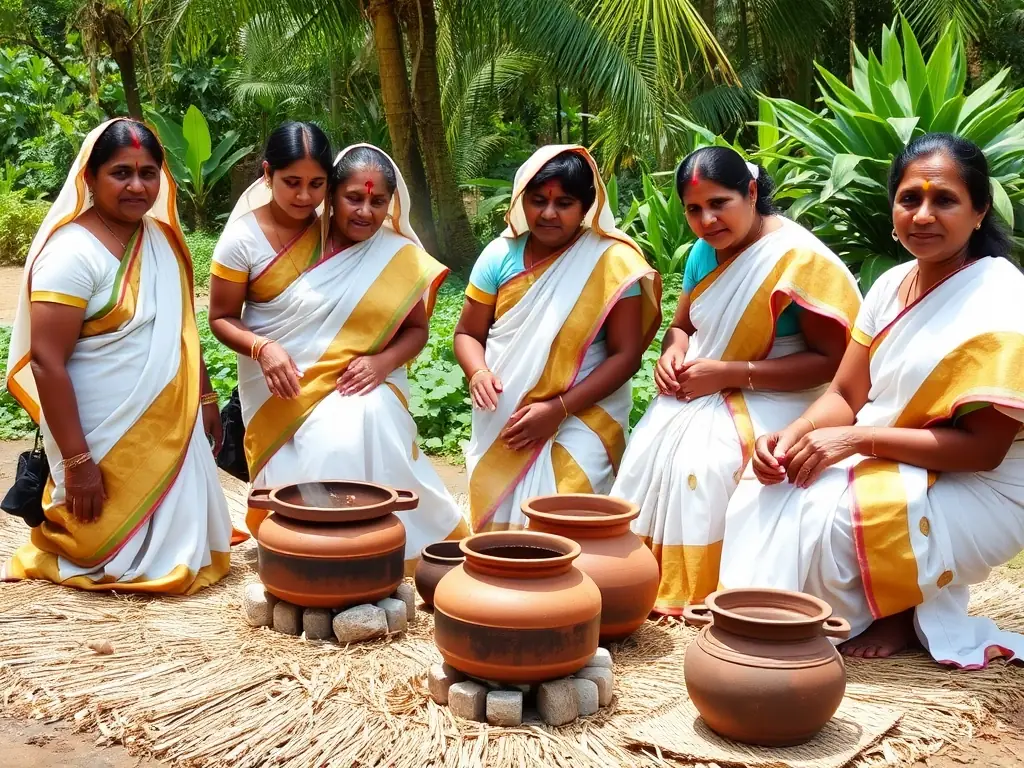
Your eyes open wide in pleasant surprise — local women, dressed in vibrant Kasavu saris, gather around clay stoves and coir mats. They only speak in Malayalam, their local language, not speaking a word of English, but there’s no need for them to. Instead, their hands speak fluently — in scoops, sprinkles, smashes, and stirs. By now, your senses have sharpened, eager to observe and absorb every detail.

A group of local women in Kerala, India, wearing traditional Kasavu saris, cooking together outdoors using clay stoves and coir mats.
A group of women are cooking in a traditional kitchen.

About Our Cooking Class

Welcome to a traditional cooking class in a seasonal kitchen in a commonplace courtyard in Alappuzha — yet, what you witness is nothing ordinary — it is a sensory immersion into the heart of Kerala’s culinary soul, guided by the women who have kept its traditions alive for generations.

Mango Magic

Your culinary education begins with mangoes — golden, juicy, sun-ripened treasures of Kerala. The shade of the mango tree is inviting. It also provides the perfect ambience for the women to share their age-old knowledge — how they excel in peeling, slicing, salting, and sun-drying the fruit to make uppu manga (salted mango).
Then comes the pickling — a fragrant ritual involving mustard seeds, red chili powder, gingelly oil (sesame oil), and long-established techniques whispered from mother to daughter. Everyone takes turns stirring the mixture in an earthen jar, sealing in the summer sunshine — the resultant concoction is to be relished long after the season ends.
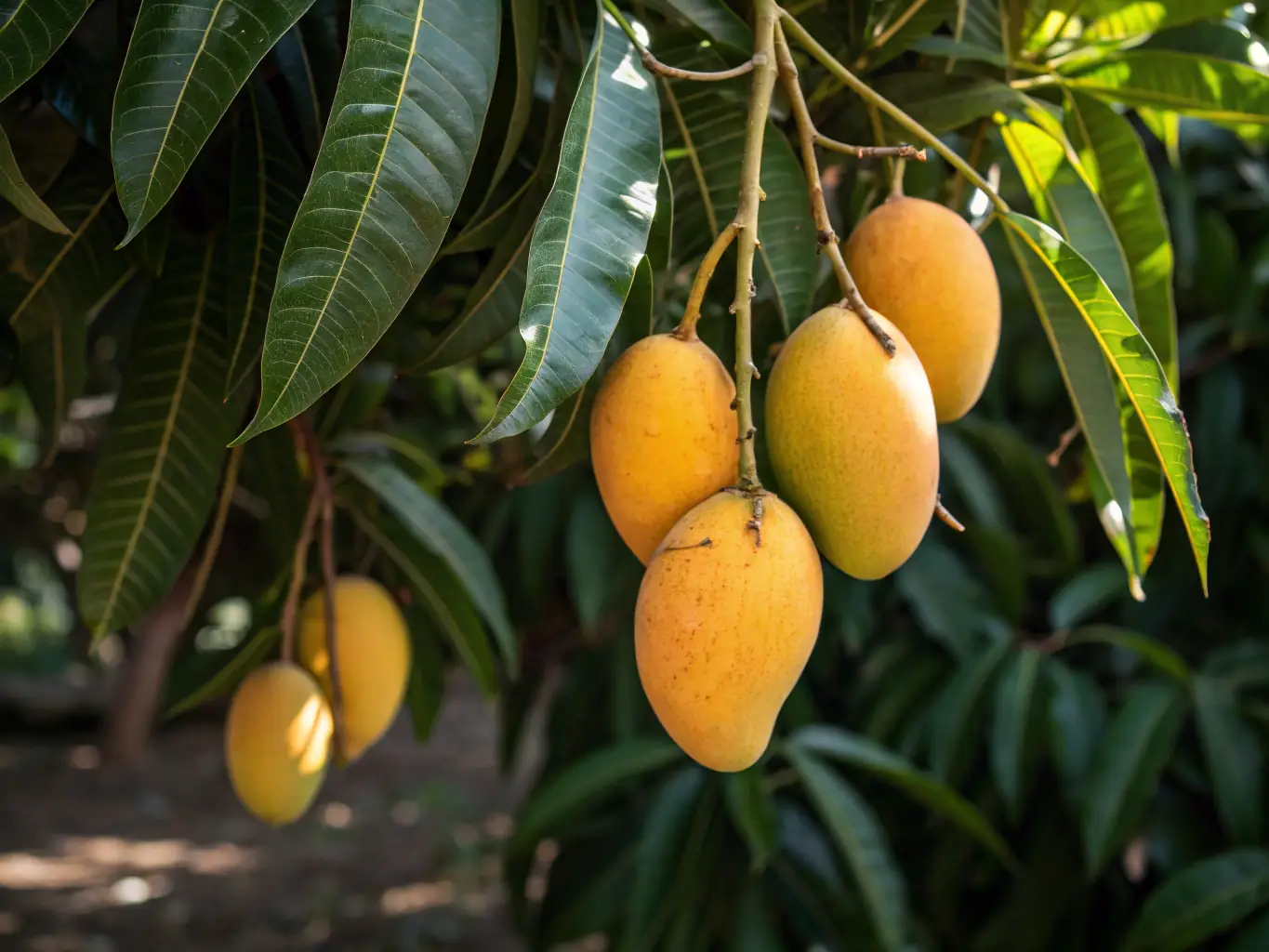
A close-up shot of ripe mangoes being prepared for pickling in a traditional Kerala kitchen.

Cracking the Coconut Code

Coconuts are the lifeblood of Kerala. From extracting the milky-white meat to making sweet coconut burfi or preserving shavings for future curries, the coconut station is full of action. Get hands-on experience with traditional scrapers, learning the art of wasting nothing — the husk becomes fuel, the shell a bowl, and the water a welcome drink.

The most fascinating lesson? How coconut oil is extracted the old-fashioned way, using hand-pressed techniques that fill the air with a nutty aroma amid stories of monsoon memories.

If you have the time to spare, dig deeper and the women will tell you how they make coconut shard pickle.

Making Kerala coconut shard pickle, or thenga achar, is a flavorful journey into the heart of coastal tradition. Fresh, mature coconuts are cracked open, and the white meat is carefully sliced into thin, jagged shards. These shards are sun-dried slightly to remove excess moisture, then stir-fried in coconut oil until lightly golden. A blend of mustard seeds, curry leaves, dried red chilies, and asafoetida is tempered in hot oil to release its rich aroma. The coconut pieces are then tossed in this seasoned oil along with a tangy mix of tamarind pulp, red chili powder, turmeric, and salt. The result is a spicy, tangy, and slightly sweet pickle that packs crunch and complexity in every bite — a perfect accompaniment to steamed rice or dosa, and a staple on traditional Kerala thalis.

Explore Our Blogs

Dive into our latest posts about Alleppey.

Welcome to Akoya Beach Villa

Beachfront Bliss in Kerala

Discover Akoya Beach Villa, Alleppey